
Understanding condo maintenance responsibility is essential for both board members and unit owners in any condominium community. When there is confusion over who fixes what, it can often lead to disputes and delayed repairs. While condo living offers convenience, obligations are also shared.
What is Condo Maintenance Responsibility?
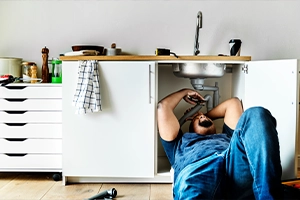
Condo maintenance responsibility refers to the allocation of repair, maintenance, and replacement duties between the condominium association and individual unit owners. This determination exists because condominiums follow a unique ownership structure.
Unlike single-family neighborhoods, condo owners typically own the interior space within their units. Meanwhile, the association owns or manages common elements, which include shared elements and amenities.
Condominiums operate according to a set of governing documents. These documents define ownership and maintenance duties. In most cases, owners control everything inside the unit walls, while the association handles roofs, exterior walls, hallways, plumbing mains, and other shared systems.
What is the Condo Association Responsible For?
The condo association takes the lead on condo repair and maintenance when it involves shared structures and systems. Below are the areas commonly handled by the association.
1. Building Exterior
The association usually maintains exterior walls, siding, brickwork, stucco, and exterior paint. Repairs to weather damage, cracks, or deterioration fall under the association as well because these components protect the entire building.
2. Roof and Drainage Systems
Roof inspections, repairs, and replacement typically belong to the association. Gutter systems, roof drains, and downspouts also require regular cleaning and maintenance to prevent leaks and water intrusion.
3. Structural Components
Foundations, load-bearing walls, columns, and framing remain under condo maintenance responsibility. For structural repairs, it is a good idea to hire professional engineers for planning and execution, as building safety can become compromised.
4. Common Area Plumbing and Electrical Systems
The association is responsible for maintaining plumbing lines, electrical systems, and mechanical components that serve multiple units. Repairs to main water lines, sewer systems, or shared electrical panels typically fall under the association’s duties, too.
5. Shared Interior Spaces
Hallways, stairwells, lobbies, elevators, mailrooms, and other shared indoor spaces require consistent upkeep. The association handles these shared elements.
6. Mechanical and Safety Systems
Fire alarms, sprinklers, emergency lighting, and other safety systems usually remain under association control. It is important to conduct routine testing and repairs to ensure these remain functional and compliant with local codes, preventing fires and other hazards.
7. Grounds and Exterior Amenities
Landscaping, sidewalks, parking areas, fencing, pools, and recreational spaces also fall under condo maintenance responsibility. Regular repairs keep these areas functional and visually appealing.
What are Unit Owners Responsible For?
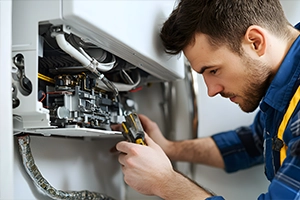
Unit owners handle repairs and maintenance inside their individual units. Here are the areas that owners commonly have responsibility over.
1. Interior Surfaces
Owners are in charge of walls, paint, flooring, and ceiling finishes inside the unit. Repairs for scratches, stains, or wear also fall under the owner’s responsibility.
2. Cabinets and Fixtures
Kitchen cabinets, bathroom vanities, shelving, and interior fixtures fall under owner care. If replacements or repairs are needed, the owner will typically shoulder the cost.
3. Appliances
Refrigerators, ovens, dishwashers, washers, and dryers belong to the owner. Maintenance and replacement responsibilities rest fully with the unit owner.
4. Plumbing Fixtures
Sinks, toilets, faucets, and showerheads remain the owner’s responsibility. If a fixture fails or leaks, the owner must arrange repairs quickly to prevent damage from spreading.
5. Electrical Fixtures and Devices
Interior light fixtures, outlets, switches, and personal wiring inside the unit generally belong to the owner. Repairs or upgrades stay within the owner’s scope.
6. HVAC Systems Serving Only One Unit
If the heating or cooling system serves a single unit, the owner handles maintenance, filter changes, and replacement costs. Some buildings use shared systems, so owners should always confirm how their documents classify HVAC equipment.
7. Interior Doors and Windows (When Applicable)
Some communities require owners to maintain windows and balcony doors, while others assign these to the association. Owners should verify their governing documents to avoid confusion.
What Repairs are HOA Responsible For?
The HOA usually handles repairs when the damage involves shared or building-wide systems. These include roof repairs, exterior wall damage, structural issues, shared plumbing and electrical systems, elevator or mechanical equipment repairs, and maintenance of common areas such as hallways and lobbies.
In general, if a repair affects multiple units or involves common elements, it falls under the association’s responsibility. That said, it is important to check the governing documents, as they are the final authority on maintenance and repair obligations.
Who is Responsible for Structural Issues in a Condo?
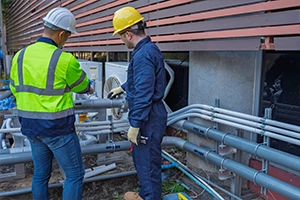
Structural issues usually fall under the association’s responsibility because structural components support the entire building. Foundations, load-bearing walls, roofs, columns, and framing typically belong to the association or exist as common elements.
Structural problems can arise from a number of causes. Age, poor construction, water intrusion, or shifting soil — all of these can lead to issues with the condo’s structure. Since these issues affect the stability of the building, the board must coordinate inspections, engineering assessments, and repairs.
Owners rarely take responsibility for structural issues unless the damage was caused by them directly. For example, if an owner performed unauthorized renovations, such as removing a load-bearing wall, or if their negligent actions inside their unit led to damage.
When structural damage appears, boards should not take matters into their own hands. Instead, they should hire and rely on professional engineers for advice. Tackling the problem early on can help prevent safety hazards and limit repair costs down the road. For repairs, boards must clearly communicate with owners about any affected areas.
The Importance of a Condo Maintenance Checklist
A condo maintenance checklist can help both associations and owners stay on top of maintenance. This checklist encourages regular maintenance, preventing unexpected malfunctions and reducing expenses in the long run. It can also promote accountability by clearly outlining tasks, schedules, and who is responsible for them.
Maintenance checklists also support financial planning. Boards can anticipate costs and reserve contributions more accurately when they track what’s in need of maintenance and repairs. Owners, on the other hand, can benefit from this, too, by avoiding special assessments or large increases in regular dues.
Confirmation is Necessary
Condo maintenance responsibility is not always straightforward. The bottom line is that associations should check their governing documents for specific guidelines. Since obligations can change, verification can save owners and board members a lot of time and trouble.
Forth Group provides condo management services to communities in Chicago and the surrounding areas. Call us today at (312) 379-0400 or contact us online to get started!
RELATED ARTICLES:
- HOA Self Management: Is It Sustainable?
- HOA Financial Statements Board Members Should Review Regularly
- Condo Master Insurance Policy vs HO-6