
Every board must understand the different HOA financial statements that influence operations. These statements give the board insight into how the association is doing and what changes can be made to improve.
What are HOA Financial Statements?

Homeowners association financial statements are official records of the community’s financial activities and condition. These statements give the board an overview, both general and detailed, of how the association is doing fiscally. They also serve as a means to promote transparency and let owners know how their dues are being used.
Most associations are required, either by law or by their governing documents, to prepare financial reports. In Illinois, 765 ILCS 160/1-30 (for HOAs) and 765 ILCS 605/18.4 (for condominiums) both state that associations must maintain detailed and accurate financial records.
The Importance of HOA Financial Reports
Financial statements depict an association’s financial status. Board members can use these statements to make informed decisions, adjust the budget as necessary, and allocate funds to expenses. The more detailed the report, the better the understanding of the association.
Financial statements are crucial to financial planning. With consistent records, board members can review historical data and identify patterns that can influence the current budget. They can use these reports to make smarter and more accurate projections.
Additionally, financial statements allow for the careful monitoring of funds. These statements give the board insight into how much the association is making and how much it owes vendors. Without detailed records, an HOA would have no way of knowing how many homeowners are delinquent, too.
Beyond that, financial statements are imperative in promoting transparency and accountability. Homeowners have a right to review these records, as per state laws and the governing documents. By having access to these reports, owners can better understand how their association is faring financially.
Basic HOA Financial Statements Boards Should Know
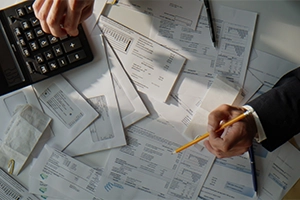
The HOA financial statements that an association must prepare will depend on its needs and requirements. That said, they typically include the following:
1. HOA Balance Sheet
The balance sheet is an HOA financial report that depicts the current financial position of the community. It essentially shows the association’s worth, including the assets, liabilities, and equities. This report gives a quick snapshot of the association’s financial condition.
The balance sheet follows the simple formula:
Assets = Liabilities + Equity
Let’s break these components down below.
- Assets. Current assets are easily converted into cash, while non-current assets are the opposite. While boards can still convert the latter into liquid cash, the process will usually take longer.
- Liabilities. These are where an association spends its money on, otherwise known as expenses. Current liabilities are expenses that the HOA must settle within a year, while long-term liabilities can take longer to pay off.
- Equity. After liquidation and liabilities are settled, equity is what’s distributed to shareholders.
Based on the formula, total assets should equal the total liabilities plus equity, making it “balanced.” If there’s an imbalance, boards must verify where it went wrong.
2. HOA Income Statement
The income statement is a financial report that describes the association’s revenue and expenses, resulting in either a net profit or net loss. Since it is not an HOA’s primary goal to turn a profit, most communities end with only a small profit or break even.
Revenue depicts an association’s earnings, typically coming from dues and assessments. That said, an association can also earn revenue through other means, such as rental income or other fees.
Expenses are everything the association paid for during the given time period. This includes utilities, maintenance costs, management fees, insurance, rent, vendor fees, etc.
The income statement subtracts the total expenses from the total revenue, resulting in either a loss or a profit. This report is significant in that it shows whether the association was able to cover all of its expenses for the time period. If the HOA overspent or failed to collect enough dues, adjustments must be made.
3. HOA Cash Flow Statement
The cash flow statement depicts how cash goes in and out of the association. It shows where the association gets its money and where it spends the funds.
While it works similarly to an income statement, the cash flow statement only deals with cash transactions. This gives boards a better idea of the community’s liquidity and solvency. It allows the board to understand if the association has enough cash to cover obligations.
4. General Ledger
The general ledger is the master record of all transactions. Every single activity, whether cash or otherwise, goes through this ledger. It serves as the repository for all records and is used as the basis for all other financial statements. If there is a discrepancy in a report, boards should refer to their general ledger for corrections.
5. Accounts Payable Report
The accounts payable report depicts the association’s outstanding obligations in a single overview. It is a master record of the amounts the HOA owes, to whom, and how long the debt has been outstanding.
Typically, debts are classified as current, 30 days overdue, 60 days overdue, 90 days overdue, and 120 days overdue. With such categories, boards can prioritize which debts must be paid first.
6. Account Delinquency Report
The account delinquency report shows all the amounts homeowners owe to the association. It is essentially a statement of overdue collections. This report helps the board monitor late or unpaid fees with just a single glance.
As with the AP report, debts are classified according to a timeframe. From there, board members can choose which accounts to prioritize. Older debts typically get more attention, with the board either sending the account to collections or taking other legal action.
7. Cash Disbursements Ledger
The cash disbursements ledger depicts the expenditures of the association. It basically shows how much money the HOA is spending and where it’s going. Unlike a cash flow statement, this ledger shows both cash and non-cash transactions.
With this report, boards can easily check where most of the association’s funds are going. It can help the board determine if it’s overspending on certain line items and make adjustments as necessary.
How Often Should the Board Prepare HOA Financial Statements?

The frequency of preparation will depend on the association and its needs. Smaller communities can function without problems even if it only prepares these statements every six months or so.
Larger communities or those with complex financials, on the other hand, usually need to rely on monthly reports. This way, their boards can adjust spending and collections as they go along instead of waiting months before they notice something’s wrong.
That said, the general rule of thumb is to prepare HOA financial statements every month, with more detailed reports every year.
Can an HOA Management Company Help With HOA Financials?
Board members are responsible for accounting, bookkeeping, and financial reporting. Yet, more often than not, boards don’t have the background or experience needed to prepare financial statements accurately and according to GAAP standards.
While an accountant can certainly help, most communities turn to an HOA management company instead. Most HOA management companies offer financial services, including help with preparing financial statements.
An Important Purpose
Preparing HOA financial statements is one of the most important duties of an association board. When done properly, these statements can help navigate the community into making smarter financial moves. They also facilitate transparency, instilling confidence and trust within the association.
Forth Group provides HOA financial management services to communities in Chicago and the surrounding areas. Call us today at (312) 379-0400 or contact us online to get started!
RELATED ARTICLES:
- HOA Reserve Funds: How Much Is Enough And How Boards Should Plan
- HOA Special Assessments: Do Homeowners Need To Pay Them And Why?
- Illinois HOA Association Reserves: Reserve Studies, Funding Plans, And Compliance