
Navigating HOA collections can be tricky, especially when boards don’t know where to start. Still, it remains an essential responsibility, as the association relies on consistent collections to fund expenses. Having an ironclad collection policy can ensure low delinquency rates while maintaining trust among owners.
What are HOA Collections?

Homeowners associations require constant funding to pay for various expenses, such as maintenance, insurance, and security. Funding comes from homeowner dues, and it is the board’s responsibility to collect these dues.
When homeowners first buy into the community, they agree to abide by the rules, one of which is to pay regular dues and assessments. When they fail to fulfill this obligation, they can face a number of possible consequences.
Every association should have a standard HOA collection policy. This policy ensures that the association can operate seamlessly and doesn’t run out of money for expenses. Too many delinquencies can force the association to significantly cut back on costs, raise dues for everyone else, or rely on special assessments.
HOA collections are important for the long-term success and sustainability of the community. Yet, managing collections can be difficult for amateur boards, as there may be requirements and procedures they should follow or else risk liability.
What to Include in an HOA Dues Collection Policy
While no two associations are exactly alike, a collection policy should, at a minimum, address the following issues:
- Due Dates. An association should have a set due date or deadline for dues payments. This way, homeowners can get their finances in order and settle their financial obligations on time.
- Grace Periods. Many associations have grace periods after the due date. This gives owners a chance to pay their dues even after the deadline without facing consequences.
- Payment Methods. Associations should have several payment options for owners, from mail-in checks to electronic payments. This makes it more convenient for owners to pay their dues, reducing delinquencies.
- Penalties for Nonpayment. Every policy should outline the penalties for failure to pay dues. Communicating this to owners establishes a baseline for everyone.
Penalties for HOA Delinquent Assessment Collections
What happens if homeowners fail to pay their dues and assessments? Depending on what state laws and the governing documents allow, there are a few possible penalties.
1. HOA Dues Collection Letter
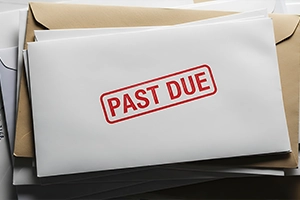
Most collection processes start with a notice or letter of collection. This notice essentially lets the owner know that they are late in their payment and can face a number of penalties. It includes all pertinent information, such as the total amount due, the due date for the payment, and what will happen if the debt remains unpaid.
2. Late Fees and Interest
Many associations punish late payments by imposing late fees and interest charges. This adds to the overall debt of the delinquent owner, and the amount can compound with each passing day it remains unpaid.
Of course, it is important to check state laws and the association’s governing documents to understand if the HOA has the authority to even impose these fees in the first place. During negotiations, the board can offer to waive these monetary penalties if the owner settles their debt in full.
3. Suspension of Privileges
Depending on what authority an association has, it may be able to temporarily revoke a delinquent owner’s privileges. This includes voting rights and access to amenities. The owner can only regain these privileges once they pay their outstanding balance in full.
4. HOA Collection Agency
To facilitate HOA debt collection, some boards turn to a professional agency. A collection agency takes over the delinquent accounts, charging the association a flat rate or a percentage of the debt once collected. While HOAs are not technically classified as debt collectors, collection agencies are, which means they must follow the requirements under the Fair Debt Collection Practices Act.
5. Legal Action
In some cases, an association may be able to file a lawsuit against a delinquent owner. If the HOA wins, a court may order the owner to pay the debt. Some judgments even allow wage garnishment.
6. Liens
Many associations place a lien on an owner’s home if they fail to pay their dues. Most of the time, this lien automatically attaches to the home after a certain period of time or a certain amount of unpaid fees.
Liens are judgments or claims that must be settled before an owner can sell their home or refinance their mortgage. They discourage potential buyers because they make it more difficult to purchase a home.
Whether or not an HOA can file a lien depends on state laws and the association’s governing documents. In Illinois, 765 ILCS 605/9 allows condominium associations to place a lien when an owner’s account becomes delinquent.
7. Foreclosure
Following a lien, an association can generally initiate foreclosure proceedings to satisfy a debt. This means homeowners can stand to lose their property for nonpayment of dues.
That said, boards must follow notice requirements and filing procedures when foreclosing on a home. It is important to check whether the association must use judicial or nonjudicial foreclosure proceedings. The former is more complicated and requires a lawsuit, while the latter is a more expedited process.
Understanding HOA Payment Plans
Payment plans enable homeowners to settle their outstanding debts with an association without facing liens or foreclosure. These plans essentially spread unpaid balances over several months, giving owners time to adjust their finances and remain in good standing.
In some states, associations are required to offer payment plans before proceeding with more extreme methods for HOA collections. Boards should check state laws and their governing documents for guidance.
That said, there is a risk of abuse when it comes to payment plans. For this reason, it is important to establish guidelines.
For instance, allowing owners to enter payment plans only once reduces the chances of misuse. Associations should also remind owners that collection efforts will resume if they fail to abide by the terms of the plan. Moreover, even while in a plan, owners must still continue to pay their monthly dues.
A Helping Hand
HOA collections play an essential role in the long-term success of an association. A poor strategy can cause cash flow issues and alienate residents. When in doubt, hiring professionals to assist with dues collection is a great move.
Forth Group provides HOA management services to communities in Chicago and the surrounding areas. Call us today at (312) 379-0400 or contact us online to get started!
RELATED ARTICLES:
- HOA Financial Statements Board Members Should Review Regularly
- HOA Reserve Funds: How Much Is Enough And How Boards Should Plan
- Is A Self-Managed HOA The Right Decision?