
When homeowners fall behind on paying their dues, an HOA lien can help your association protect its authority to collect. However, when doing so, the board must still comply with state legislation and governing documents.
What is an HOA Lien?
Liens are legal claims against a property for an amount the homeowner owes to your community association. In many communities, residents who fail to pay regular or special assessments are subject to a lien. Usually, state legislation and your HOA’s governing documents determine what other costs may be included.
An HOA lien, however, doesn’t automatically mean that the homeowner will lose their property. Instead, it provides the association with a secured claim against the home. It can affect the sale or refinancing of the home because the debt must still be cleared before the title can be transferred. In some states, associations may eventually foreclose on a home if the debt remains unpaid for a specified period.
HOA Property Lien Procedures
Having a consistent HOA property lien process supports the board’s efforts to collect delinquent dues while minimizing the risk of errors. Associations should also pursue lien enforcement as a formal collection matter rather than relying on extended routine billing.
Here’s what those procedures usually involve.
Confirm the Amount Owed
The first thing your board or management company should do is to review the homeowner’s ledger. They should first determine which HOA assessments are still unpaid and verify any authorized interest or fines.
For this step, accurate accounting is a must since an HOA lien that includes an unauthorized charge or incorrect amount is open to be challenged. The HOA board should also confirm if the payments were properly credited.
Review State Law and Governing Documents
Your state’s laws usually determine when an HOA lien can arise. It also outlines which debts can be secured and whether eventual foreclosure is available. Meanwhile, your governing documents may include additional procedures and policies.
When applying for an HOA lien, your board must meet all requirements before proceeding. A collection policy can’t override state statutes, and a procedure may be valid in one area but not in another.
Send Required Notice
In many areas, HOAs are required to provide a written notice before they can record or enforce a lien. This notice must identify the property involved, the amount due, the reason for the debt, and the payment deadline.
Your governing documents may outline requirements for sending out notices. As best practice, you should keep proof that you’ve mailed the notice. This helps the association stand its ground in case the homeowner challenges the collection process.
Record the Lien When Required
Depending on state law, an assessment lien can be recorded automatically when a resident becomes delinquent. In other cases, the HOA may be required to record a notice of lien with the county recorder. Recording liens provides third parties with notice that the HOA is claiming an interest in the property.
For this document, the HOA should accurately identify the homeowner, the property, and the name of the community association. It should also state the amount of secured debt. Typically, an HOA will work with legal counsel at this stage to avoid any errors that may affect enforceability or priority.
Consider Collection Before Foreclosure
Foreclosure is one of the most serious collection steps available, and it should usually be one of, if not the last resort the HOA should make. Before your association pursues this, the board will need to first determine if there’s another approach to resolve the delinquency.
One option is to propose a payment plan for the homeowner to help them catch up on their HOA dues over a reasonable period. If the debt remains unresolved, counsel can advise whether foreclosure or another court action is legally available.
Condominium Lien Rules in Illinois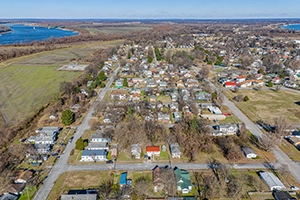
Similar to HOA property liens, Illinois law allows condominium associations to use liens and other collection methods when owners fail to pay their dues or any other amounts owed to the association. Under Section 9(g) of the Illinois Condominium Property Act, unpaid common expenses or fines can create a lien against the unit owner’s interest.
The association may also record notice of the lien and foreclose it, similar to a mortgage under Section 9(h). Since there are several types of charges that may be included, your community association board should keep clear records outlining how the outstanding balance was calculated.
Lastly, Illinois associations may also pursue an eviction action for certain unpaid dues under Section 9-102(a)(7). Before filing, the COA needs to serve the unit owner with a demand, as required by Section 9-104.1. This provides the owner with at least 30 days to pay.
HOA Lien Statute of Limitations
The HOA lien statute of limitations varies by state. Some states impose a specific deadline for enforcing an association lien. Others tie enforcement to broader limitation periods or include separate expiration rules in community-association statutes.
Boards should not assume that recording a lien preserves the debt indefinitely. Different deadlines may also apply to a lawsuit for unpaid assessments and an action to foreclose a lien.
Illinois Section 9 of the Condominium Property Act establishes a condominium association’s lien and foreclosure authority but does not state a single general expiration period within that section. Because limitation questions can depend on the type of action and the facts involved, an Illinois association should obtain legal advice before delaying enforcement.
Knowing Proper Lien Procedures
An HOA lien can be an effective collection tool, but boards need to use it carefully. Ensuring compliance and proper enforcement help reinforce order in the community while staying compassionate to homeowners who may have lapsed. Nevertheless, it is important to pay close attention to Illinois law.
The Forth Group provides condo management services to communities in Chicago and the surrounding areas. Call us today at (312) 379-0400 or contact us online to get started!
Related Articles:
- Is A Self-Managed HOA The Right Decision?
- How Using AI For Community Management Can Help
- A Guideline Of The Code Of Conduct For HOA Board Members