
The need for condo capital projects will eventually come up, as buildings age and their systems wear out. Board members must plan ahead to avoid sudden financial strain on both the association and its members. With a clear budgeting strategy, the board can protect the property and maintain safety.
What are Condo Capital Projects?
Condo capital projects are the major repairs or replacements of shared building components. These are not routine maintenance tasks. Instead, they involve large, long-term investments.
Common examples include roof replacement, elevator upgrades, and structural repairs. Plumbing and electrical system overhauls also fall under this category. These projects often cost significant amounts of money and require careful planning.
Why Older Buildings Require More Condo Capital Planning
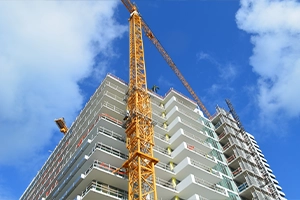
Many people prefer to live in older buildings because they have more charm and history. But older buildings also tend to have more frequent and intensive repair needs. These repairs are also usually expensive due to the extent of the damage or deterioration.
Condominiums have countless shared components, and these components might reach the end of their useful life at the same time. This puts pressure on the association’s finances, as boards scramble to come up with funds to cover all repairs or replacements.
When the board defers maintenance due to budget shortfalls, it can make the problems worse. Small issues can turn into expensive repairs if ignored. Older properties may also need upgrades to meet current building codes. Other than that, safety concerns and insurance requirements can further spike costs.
The Role of a Reserve Study
A reserve study helps boards prepare for future expenses. It provides a clear picture of the building’s condition, the estimated cost of repairs, and a projected timeline. This allows the condo board to plan ahead instead of reacting to breakdowns when they arise.
Reserve studies consist of a physical analysis, a financial analysis, and a funding plan. The physical analysis takes the components into account, checking their condition and estimated remaining useful life. The financial analysis considers the association’s current financial health, how much it has in reserves, and how much it will need to meet future expenses.
From there, the study comes up with a funding plan. This plan lays out how much the board must set aside each year to pay for major repairs and replacements when the components eventually wear out. The funding plan informs reserve contributions in the budget.
It is important to update the reserve study every few years. This ensures that the study reflects current conditions and costs. A lot can change over the years, and past estimates may no longer apply.
Reserve studies serve as the foundation for planning condo capital projects. They help the board make funding decisions and avoid surprise costs.
In Illinois, there is no statutory requirement to conduct a reserve study. That said, 760 ILCS 605/9 does mandate condominiums to maintain reserves, but boards may waive it if the governing documents don’t require reserve funding.
How to Budget for a Condo Association Capital Project

Board members must secure sufficient funding to avoid endangering residents and the structural integrity of the building. Here’s how to budget for condo capital projects.
1. Identify Upcoming Condo Capital Projects
First, boards must identify and prioritize future projects. To do this, the board should conduct regular inspections to spot issues early and pinpoint which components need immediate attention. It’s also a good idea to review past repair records to uncover trends or patterns. For example, a specific component might wear out every three years.
The board can’t inspect the property alone. It is important to seek help from engineers and specialists for expert insight. From there, the board can choose which projects to prioritize and come up with a multi-year plan for addressing repairs.
2. Estimate Costs Accurately
Accurate cost estimates are essential for budgeting. Boards should gather multiple bids from qualified vendors. This helps establish a realistic price range.
Of course, costs often go beyond just materials and labor. Boards must also consider permits, design fees, and project management costs. It’s essential to estimate costs based on current market and economic conditions, as inflation can significantly affect pricing over time.
It is also wise to include a contingency buffer. Large projects can be unpredictable sometimes, causing unexpected issues to arise. By cushioning the budget, the board can prepare for these surprises without going in the red.
3. Weigh Funding Options
After estimating costs, the board should look for sources of funding. There are several ways to fund condo capital projects. The board can dip into the reserve fund, which is usually the primary source. Of course, if the reserves aren’t well-funded, boards will have to turn to less favorable options.
Special assessments are a common example. These are one-time fees that owners pay on top of regular dues. Depending on the project, these assessments can be large, causing a financial burden on owners.
Boards can also obtain a loan or lines of credit. This option can help spread costs over time, but they must still be repaid with interest. The board can slowly pay the sum back by increasing dues in increments.
4. Have a Strong Budget Strategy
To ensure sufficient funding, boards should come up with a strong budget strategy. For one thing, reserve contributions should match reserve needs. Underfunding reserves can lead to more problems later on.
It’s also critical to balance long-term needs with affordability. Owners have their own financial obligations outside of the association, so a significant dues increase or special assessment can severely impact their household budgets. At the same time, delaying necessary repairs can endanger the community and lead to larger expenses in the future.
5. Communicate With Owners
Clear communication helps build trust within the community. Boards should explain the need for condo capital projects ahead of time. When owners understand why capital projects are necessary, they are more likely to support the plans and cooperate with collections.
It’s also essential to share timelines, cost estimates, and other details. This promotes transparency and accountability. Other than that, boards should explain how they intend to fund the project and address any concerns owners may have.
Once the project starts, the board must provide regular updates. Progress reports help keep owners in the know. It’s also important to record every transaction and present a financial report of the project at the end.
Additional Tips for Budgeting for a Condo Capital Improvement
Capital projects aren’t always easy to manage. Here are some tips that boards can use to ensure success.
- Hire Professionals. Boards must hire licensed, qualified, and insured contractors or consultants. Experience counts for a lot, and cheaper isn’t always better.
- Sign a Clear Contract. Vendor contracts should clearly outline the scope of work, payment details, fee schedules, and project timelines. This keeps everyone on the same page and reduces disputes later on.
- Monitor Progress. Boards must stay on top of the project even during implementation. This way, they can spot problems or low-quality work early, allowing for immediate remedies.
- Track Expenses. When it comes to budgeting, boards should adopt a set-it-and-forget-it mindset. Boards must keep track of spending and ensure that the project doesn’t go beyond the provided funding.
- Document Everything. Proper documentation ensures projects stay organized. This also helps settle disputes and guides boards for future projects.
Final Advice
Condo capital projects are a necessary part of operating and managing a condo community. As old buildings wear out, repair needs spike. To ensure the association has sufficient funding, boards should plan the budget and reserves accordingly.
Forth Group provides HOA financial management services to communities in Chicago and the surrounding areas. Call us today at (312) 379-0400 or contact us online to get started!
RELATED ARTICLES:
- Condo Maintenance Responsibility: What the HOA Covers vs What Unit Owners Cover
- HOA Vendor Management: Picking Better Bids Without Opting For Cheap Service
- Illinois HOA Association Reserves: Reserve Studies, Funding Plans, And Compliance